Professional Karaoke Systems
Engineering high-fidelity vocal setups for commercial KTV lounges, bars, and dedicated live performance spaces.
The Demands of Commercial Venues
Designing a karaoke setup for a commercial space or a high-end private KTV room involves distinct challenges that consumer hardware simply cannot handle. A professional setup must withstand hours of continuous use, aggressive vocal spikes, accidental microphone drops, and acoustic feedback loops caused by inexperienced singers moving too close to the speakers.
Professional systems shift away from "all-in-one" designs toward modular racks. A standard commercial chain includes a touchscreen kiosk for song selection, a high-grade wireless microphone receiver, a dedicated Digital Signal Processor (DSP) mixer, a heavy-duty amplifier, and passive PA speakers (or active PA speakers with built-in amplification).
Digital Signal Processing (DSP) & Mixers
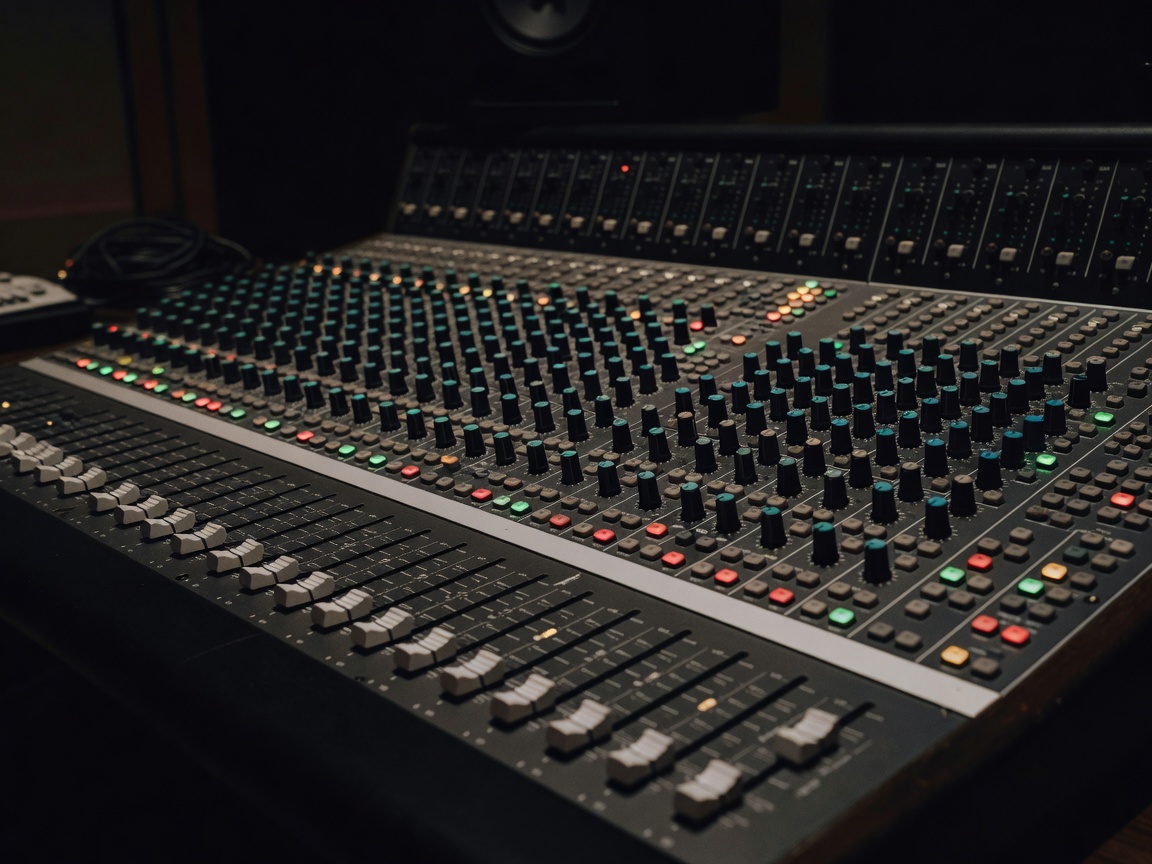
The heart of any professional KTV room is the DSP mixer. Unlike simple analog echo dials found on consumer machines, a DSP provides granular control over the vocal signal.
- Parametric EQ: Allows sound engineers to surgically cut frequencies that cause feedback in a specific room while boosting frequencies that add clarity and "air" to the vocals.
- Compression: Commercial setups rely heavily on audio compression. When an enthusiastic singer screams into the microphone, the compressor instantly reduces the volume to protect the speakers from blowing out. Conversely, it boosts the volume of quiet singers.
- Feedback Destroyers: Advanced DSPs actively monitor for the high-pitched squeal of feedback. If detected, the processor immediately applies a narrow notch filter to eliminate that exact frequency before the audience can hear it.
| Component | Consumer Standard | Commercial Professional Standard |
|---|---|---|
| Microphone Range | VHF or Basic Bluetooth (30ft) | UHF True Diversity (150ft+, rack-mounted) |
| Speaker Type | Full-range desktop / soundbar | 10" to 12" PA Tops + Dedicated Subwoofers |
| Vocal Effects | Analog Delay / Echo | Studio-grade Reverb, Pitch Correction, Multiband EQ |
| Interface | Remote control or mobile app | 22-inch networked touchscreen kiosk |
Active vs. Passive PA Systems
For audio output, commercial venues debate between active and passive PA systems. Active speakers contain built-in amplifiers tuned specifically for their internal drivers. They simplify the signal chain and reduce the amount of rack space needed. However, passive speakers—which require a separate rack-mounted power amplifier—are often preferred in multi-room KTV setups because the heavy, heat-generating components remain centralized in an equipment closet, protecting them from spilled drinks and tampering.
Commercial Licensing Considerations
It is vital to note that professional karaoke isn't just about hardware. Commercial venues must acquire appropriate performance licenses. Standard consumer streaming subscriptions strictly prohibit public broadcast. Professional setups typically partner with enterprise software providers that offer fully licensed, DRM-cleared libraries specifically for commercial exploitation. These systems often download tracks to local encrypted servers to ensure uninterrupted playback even if internet connectivity drops.