Software & Application Integrations
Move beyond physical discs. Modern karaoke relies on robust digital libraries, streaming services, and local file management tools.
The Shift to Digital Streaming
The days of bulky CD+G (Compact Disc + Graphics) binders are over. Today’s karaoke experience is entirely software-driven. For most home users, the easiest entry point is a subscription-based streaming app. These applications run seamlessly on Smart TVs, tablets, or laptops, providing instant access to tens of thousands of officially licensed tracks.
Premium streaming applications offer features that standard video platforms lack. These include:
- Dual-Screen Support: The ability to cast the lyrics to a main television screen while using a tablet or smartphone as a private catalog browser and queue manager for guests.
- Offline Syncing: Downloading favorite tracks directly to the device cache, ensuring the party doesn't stop if the Wi-Fi connection drops.
- Custom Vocals: The option to toggle lead guide vocals on or off, aiding singers who are unfamiliar with the track's melody.
Local Library Management: The MP3+G Standard
For enthusiasts who have spent years building vast, DRM-free digital collections, streaming apps fall short. Managing a local library requires specialized software capable of reading the MP3+G format. An MP3+G file is actually two files stored in the same folder with identical names: the `.mp3` containing the audio, and the `.cdg` containing the low-resolution graphical instructions that paint the lyrics on the screen in time with the music.
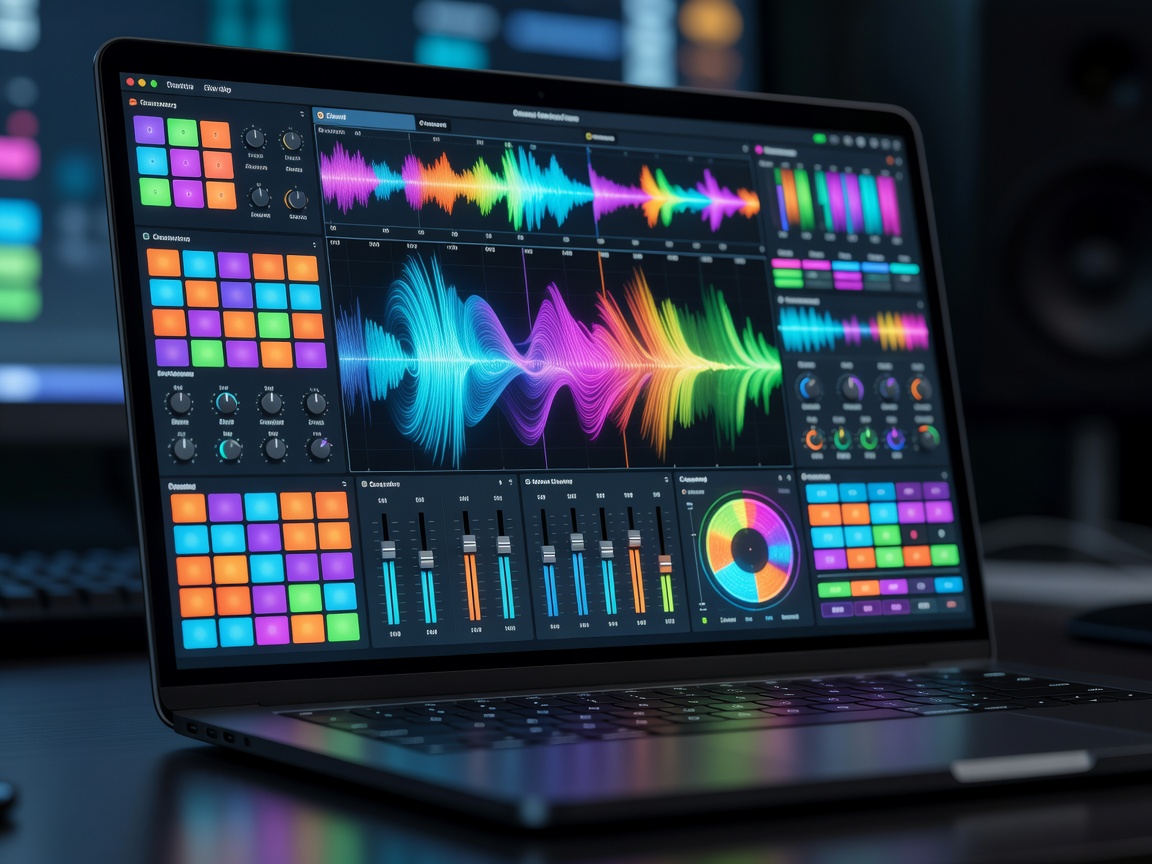
Professional desktop software organizes these thousands of file pairs, allowing users to search by artist, genre, or language instantly. Advanced local software includes heavy-duty DSP tools right on the computer. This allows users to alter the pitch of a song in real-time (key shifting) or speed it up/slow it down (tempo shifting) without degrading the audio quality, providing a bespoke backing track tailored to a singer's specific vocal range.
Open-Source vs. Enterprise Solutions
The software landscape is broadly divided into consumer, open-source, and enterprise tiers.
Open-source platforms are highly favored by hobbyists because they are free, heavily customizable, and not tied to monthly subscription fees. They often support extensive plugin architectures for adding specific visualizers or remote queue web-apps that guests can access via a local QR code.
Enterprise KTV software, used in commercial venues, operates differently. It is typically a closed ecosystem that manages not only the song playback but also the room's billing, automated lighting integration via DMX, and food/beverage ordering directly from the song selection kiosk. These systems rely heavily on robust network architecture to pull from a centralized local server rather than the wider internet, ensuring zero latency and absolute reliability on busy weekend nights.