Portable Karaoke Speakers
Battery-powered, rugged, and wirelessly connected. Discover how portable PA systems are revolutionizing outdoor parties and tailgates.
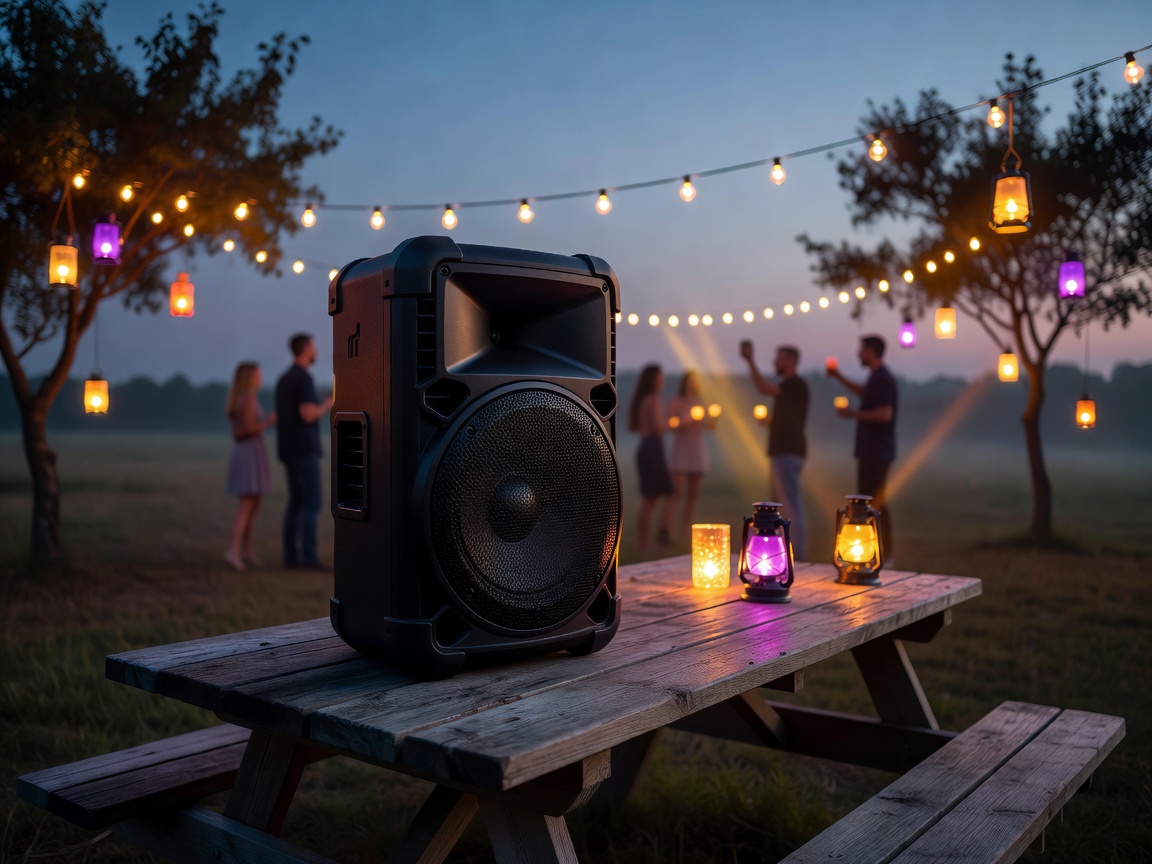
The Rise of the Party Speaker
Historically, portable karaoke meant sacrificing volume and sound quality for mobility. Today, advancements in lithium-ion batteries and highly efficient Class-D amplification have birthed a new category: the portable party speaker. These devices double as everyday Bluetooth speakers but include dedicated microphone inputs, vocal processing, and enough wattage to project sound across a backyard or beach.
Key Features in Portable Systems
When selecting a portable machine, the criteria shift slightly away from absolute studio fidelity and lean heavily toward convenience and durability. Here are the primary factors to evaluate:
1. Battery Capacity and Power Management
Look for machines that offer a minimum of 8 to 12 hours of playback at moderate volumes. Keep in mind that turning on built-in LED party lights and pushing the volume to maximum will drain the battery up to 50% faster. Many modern systems also include USB output ports, acting as massive power banks to keep the tablet or phone displaying your lyrics fully charged.
2. Weather Resistance (IP Ratings)
If you plan to use the speaker by a pool, at the beach, or during a camping trip, an Ingress Protection (IP) rating is non-negotiable. An IPX4 rating guarantees the speaker can withstand splashing water from any direction. Higher ratings, such as IPX6 or IP67, offer protection against heavy rain jets and even total dust ingress.
3. Wireless Microphones
The best portable setups include paired wireless microphones straight out of the box. Look for systems utilizing UHF frequencies rather than Bluetooth or 2.4GHz for their microphones, as UHF provides significantly better range and suffers less interference from the dozen smartphones crowding your party.
Connectivity and Codecs
Since portable systems rarely rely on wired HDMI inputs, Bluetooth quality is paramount. Ensure the speaker supports modern Bluetooth standards (version 5.0 or higher) for stable connections over distance. Support for advanced audio codecs like aptX or AAC will ensure the backing tracks stream with higher fidelity compared to the standard SBC codec.
Furthermore, many premium portable speakers offer TWS (True Wireless Stereo) pairing. This allows you to wirelessly link two identical speakers together—one functioning as the left channel, the other as the right—dramatically expanding the soundstage and volume for larger outdoor gatherings.