The Ultimate Guide to Home Karaoke Machines
Transform your living space into a private KTV lounge with the right blend of hardware, audio mixing, and display integration.
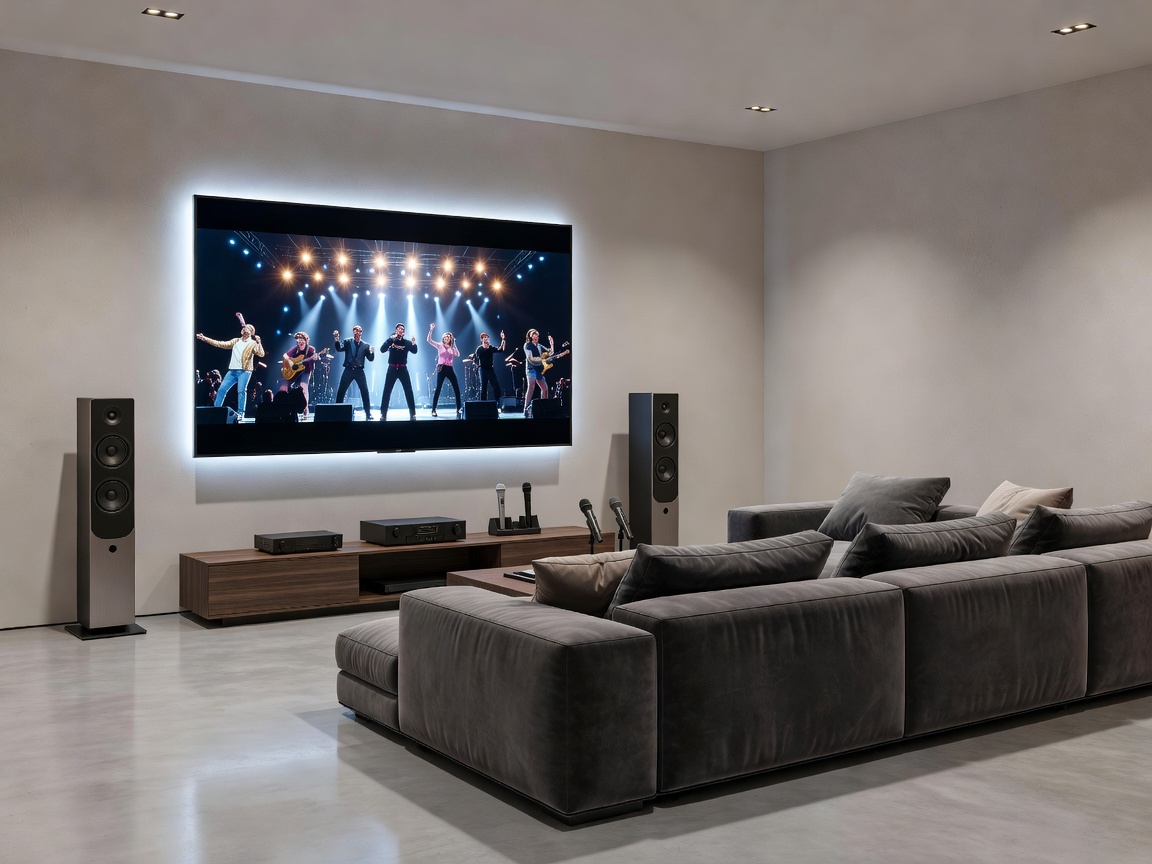
Understanding Home Karaoke Architectures
Building a home karaoke system generally falls into two distinct categories: all-in-one machines and modular components. The right choice depends heavily on your budget, available space, and acoustic expectations.
All-in-one machines integrate the speaker, amplifier, microphone inputs, and occasionally a built-in display into a single chassis. These are highly convenient and require virtually zero technical setup. Simply plug in the power, turn on the microphones, and connect via Bluetooth to a smartphone or tablet.
Conversely, a modular setup separates the audio processing from the speakers. In this scenario, users combine a dedicated karaoke mixer with an existing home theater receiver or active PA speakers. This route provides vastly superior audio fidelity and allows for fine-tuning vocal frequencies, but requires a foundational understanding of audio signal flow.
The Latency Problem: Why Smart TVs Aren't Enough
A common mistake when setting up home karaoke is attempting to run microphone audio directly through a Smart TV using a USB microphone or a direct line-in. Modern televisions utilize heavy video processing engines. When audio is routed through a TV, it typically encounters a 50 to 150-millisecond delay.
While this delay is unnoticeable when watching movies, it is disorienting when singing. Hearing your own voice echo back slightly after you sing throws off timing and pitch. A dedicated karaoke mixer solves this by intercepting the microphone signal and mixing it with the music before sending the combined audio directly to your speakers, bypassing the television's audio processing entirely.
Key Features to Look For
- Vocal Effects (DSP): Look for machines with adjustable echo, reverb, and tone controls. Basic machines only offer a generic echo, whereas advanced models provide rich studio reverb that makes amateur voices sound more polished.
- Input Versatility: A good machine should support HDMI ARC, Optical audio (TOSLINK), RCA, and Bluetooth. Optical connections are crucial if you are pulling the music source directly from a Smart TV app.
- Pitch Control (Key Shifting): This feature allows you to change the musical key of the backing track to match your vocal range without altering the tempo of the song.
- Vocal Elimination: Some modern processors attempt to strip the lead vocals from standard MP3 tracks in real-time, allowing any song to function as a karaoke track. Results vary, but it's a useful feature for obscure tracks that lack official instrumental releases.
Acoustic Considerations for the Home
Karaoke generates significantly higher dynamic ranges than typical movie watching. Sudden vocal bursts can damage standard bookshelf speakers or soundbars, which are not designed for live instrument inputs. If you opt for a modular route, it is highly recommended to use active PA (Public Address) speakers or purpose-built karaoke speakers rather than relying on a delicate home cinema soundbar.
Furthermore, consider room acoustics. Hardwood floors and bare walls bounce high-frequency vocal sounds, creating harsh reverberations. Introducing soft furnishings, thick curtains, or designated acoustic panels behind the singing area can drastically improve the perceived sound quality in your living room.