The Microphone Selection Guide
A great karaoke system is useless without a microphone that captures your voice clearly while rejecting background noise.
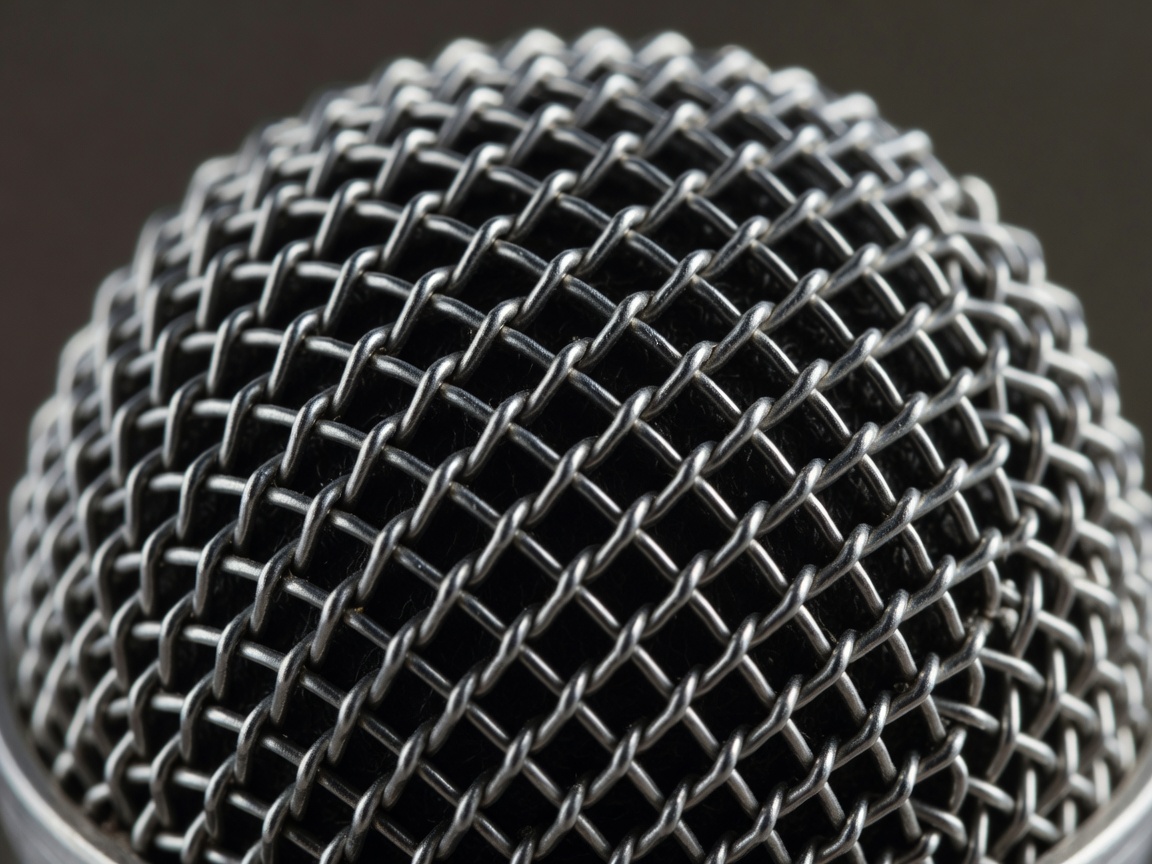
Dynamic vs. Condenser Microphones
The first and most critical choice in selecting a microphone is understanding the internal capsule technology. Microphones generally fall into two categories: dynamic and condenser.
Dynamic microphones are the undisputed champions of live performance and karaoke. They operate using a simple electromagnet system. They are incredibly rugged, can handle immense sound pressure levels without distorting (perfect for belting high notes), and are inherently less sensitive. This lack of sensitivity is actually a massive benefit for karaoke, as it means the mic will pick up your voice but reject the loud music coming from the speakers behind you, drastically reducing feedback.
Condenser microphones, on the other hand, are highly sensitive studio tools. They capture a broader frequency range and delicate vocal nuances. However, they require external "phantom power" to operate and are so sensitive that they will easily pick up room echo, chatter from the audience, and speaker output, resulting in immediate, ear-piercing feedback loops in an untreated living room.
Recommendation: Always choose a dynamic microphone for live karaoke environments.
| Feature | Dynamic Mic | Condenser Mic |
|---|---|---|
| Best Use Case | Live performances, Karaoke, Loud rooms | Studio recording, Voiceovers, Quiet rooms |
| Durability | Extremely high, drop-resistant | Fragile, easily damaged by drops |
| Feedback Risk | Low | Very High |
| Power Required | None (Passive) | +48V Phantom Power required |
Understanding Polar Patterns
A microphone's polar pattern dictates the three-dimensional space from which it captures sound. For karaoke, you want a Cardioid or Supercardioid pattern.
A Cardioid pattern is shaped roughly like a heart, meaning it is highly sensitive to sound directly in front of the grille, slightly less sensitive to the sides, and completely "deaf" to the rear. This allows a singer to face the audience (and the TV monitor) while the rear of the microphone faces the room's speakers, effectively isolating the vocal track.
Wireless Technology: VHF, UHF, and 2.4GHz
Tangled cables ruin the energy of a room. Wireless is the standard for modern karaoke, but not all wireless is created equal.
- VHF (Very High Frequency): Older technology, often prone to interference from local radio or television broadcasts. Generally found on budget toy machines.
- UHF (Ultra High Frequency): The professional standard. UHF offers long range, robust signal penetration through walls, and dozens of selectable channels to avoid interference.
- 2.4GHz Digital: Operates on the same frequency as Wi-Fi routers. While the digital audio quality is pristine, they can suffer from dropouts in homes with heavy internet usage or multiple smart devices.
When shopping for a wireless system, look for a "True Diversity" receiver. These units utilize two separate antennas and constantly evaluate which one has the stronger signal, seamlessly switching between them to eliminate dropouts while moving around the room.